



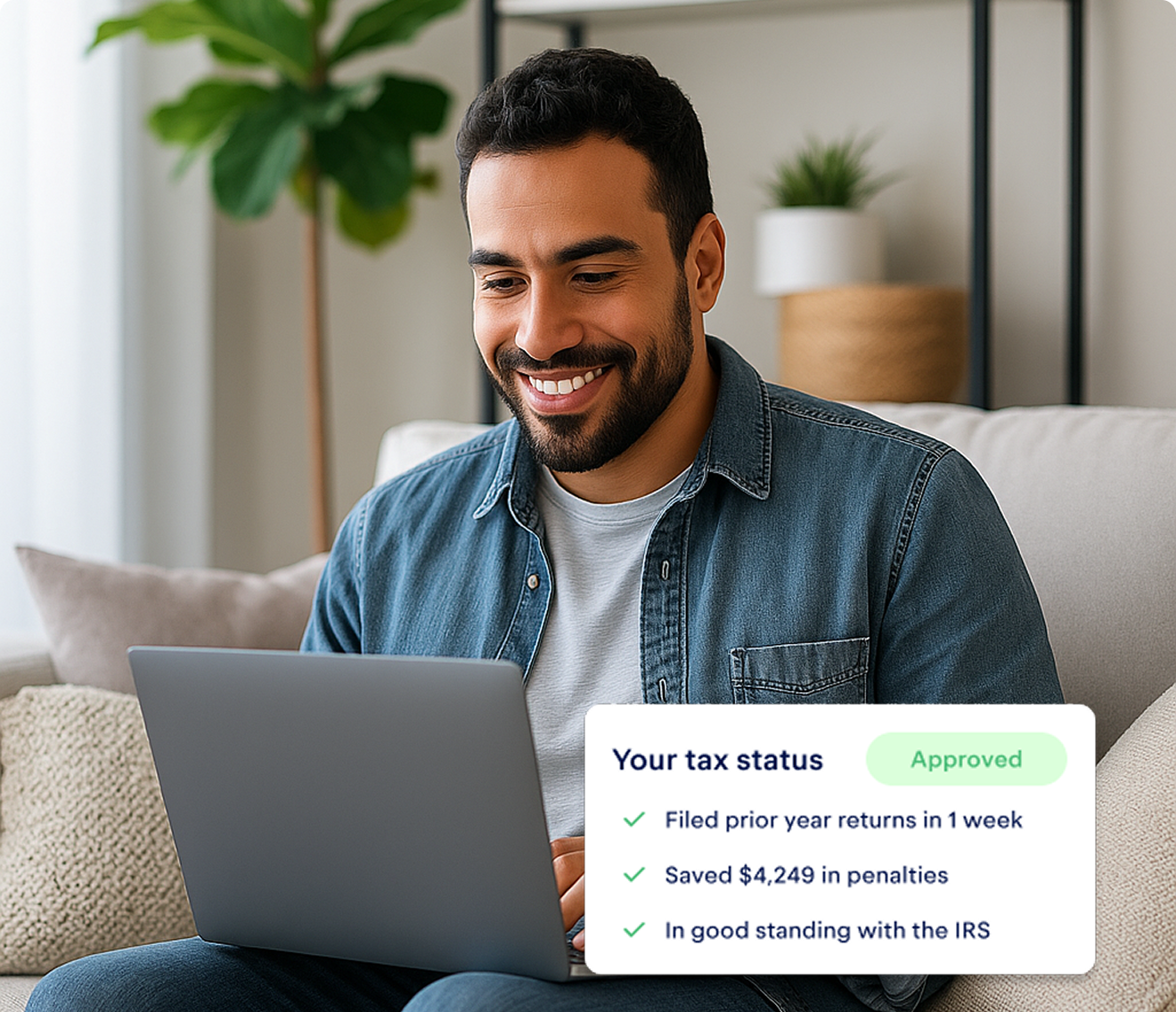

Why should you keep tax records?
The IRS requires that have a detailed expense record, which makes proper bookkeeping very important to your big or small business.
Good records will help you do the following:
- Monitor the progress of your business
- Prepare your financial statements
- Know how much tax you have to pay in 1099 income
- Identify sources of your taxable income
- Keep track of your tax deductible expenses and write offs
- Keep track of your basis in property
- Tax Preparation
- Support items reported on your tax returns
As a business owner you must always keep your records, including credit card statements available in case of an IRS audit. During the IRS examination of your tax returns, a detailed set of records will expedite the inspection process and protect you from penalties. Don't get caught in an IRS audit without your receipts.
What kind of records should you keep?
So, now you know it is important to keep documents because they support your record keeping and are valuable to have as 1099 tax deductions. your tax return. What types of records should you keep then?
Gross income
How would you prove your receipts for the goods you sold or services you provided for your business? You would generally receive a form 1099-NEC from your clients (if you’re paid over $600) or a form 1099-K from your credit card company (if you’re paid over $20,000). However, you must still keep supporting documents that show details such as the amounts and product/service descriptions of your income in the current year. Examples of documents for gross income should include invoices, cash register tapes, and receipt books.
Inventory, cost of goods sold, and expenses
If your business buys and sells any goods, you would have inventory and cost of goods sold number in your financials for the current year. These expenses are tax deductions from your 1099 income.All purchases can be documented using cleared checks, credit card payments on its statements, bills, and expense reports.
Other expenses generated for your businesses can also be documented and supported by bank/credit card statements, cash receipts, bills, and expense reports by employees or contractors. Even credit card interest is tax deductible.
{upsell_block}
Assets
If you purchase any business property such as building, equipment, vehicle or furniture and fixtures, it’s very important to keep good records about various information such as an original price, acquisition date, and when it’s started to be placed in business, etc. As the asset purchase cannot be claimed as a current-year expense, all depreciation deduction information needs to be tracked as well. Additionally, when the assets are sold, selling price and disposition date and method (e.g. sold, scrapped) must be recorded properly so it’s tax basis can be correctly calculated on its tax return.
Travel, entertainment, and gift expenses
If you deduct entertainment, gift, or travel expenses, you must be able to prove certain elements of the expenses. Below is a summary of records you need to prove each expense.
{write_off_block}
How long should you keep records?
The length of time tax payers should keep a document for federal tax purposes depends on the action, expense, or event. Tax laws state that you must keep your records that support an item of taxable income, deduction or credit shown on your return until the period of limitations runs out.
The period of limitations is the time in which you can amend your tax return to claim a credit or reimbursement. If you do not qualify for a refund, then the IRS can assess additional tax. The information below reflects the periods of limitations that apply to income tax returns. Unless otherwise stated, the years refer to the period after the return was filed. Returns filed before the due date are treated as filed on the due date.
{email_capture}
Period of limitations that apply to income tax returns
- Keep records for 3 years if situations (4), (5), and (6) below do not apply to you.
- Keep records for 3 years from the date you filed your original return or 2 years from the date you paid the tax, whichever is later, if you file a claim for credit or refund after you file your return.
- Keep records for 7 years if you file a claim for a loss from worthless securities or bad debt deduction.
- Keep records for 6 years if you do not report income that you should report, and it is more than 25% of the gross income shown on your return.
- Keep records indefinitely if you do not file a return.
- Keep records indefinitely if you file a fraudulent return.
- Keep employment tax records for at least 4 years after the date that the tax becomes due or is paid, whichever is later.
Considerations
As long as the information is visible and legible, your scanned receipts and statements are acceptable as a proof records for the IRS purposes. Once you back up, save, or make digital copies of your records, you must keep them for another three years after tax time. Having a detailed record of your income and expenses will not only protect you against audits but also make handling your independent contractor taxes much easier. The burden of proof is on you. After the statute of limitations blocks the IRS from inspecting you, you don't have to keep your records in most cases.
Over 1M Americans trust Keeper for their complex taxes
Keeper is the #1 tax app for freelancers and businesses-of-one. Capture every deduction, credit, and tax-saving opportunity with expert review on every return.



Sign up for Tax University
Get the tax info they should have taught us in school
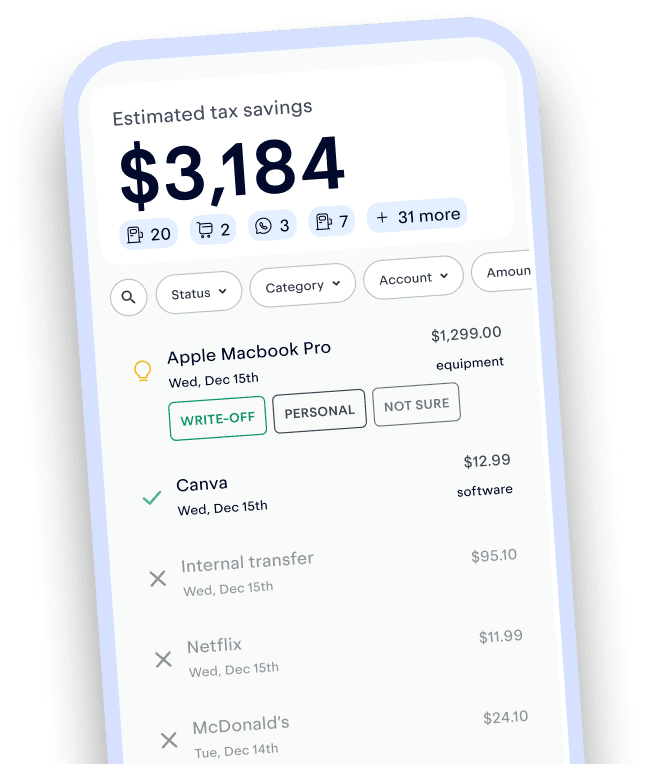
Track and claim every eligible deduction with Keeper
Keeper is the top-rated all-in-one business expense tracker, tax filing service, and personal accountant.



What tax write-offs can I claim?

What tax write-offs can I claim?
Discover effortless tax savings, with Keeper Tax

File complex taxes confidently



Recommended Videos
More Articles to Read


